
Lumber & bundled materials
Include the number of bundles, their dimensions, and the total load weight. Describe the packaging and any requirements for keeping it intact through loading, transportation, and unloading.
FLATBED TRANSPORTATION / THE LOAD COMES FIRST.
Lumber. Steel. Building materials. Every load has its own shape, handling needs, and destination. Start with the details, and let’s talk through the right open-deck plan.
Discuss your shipment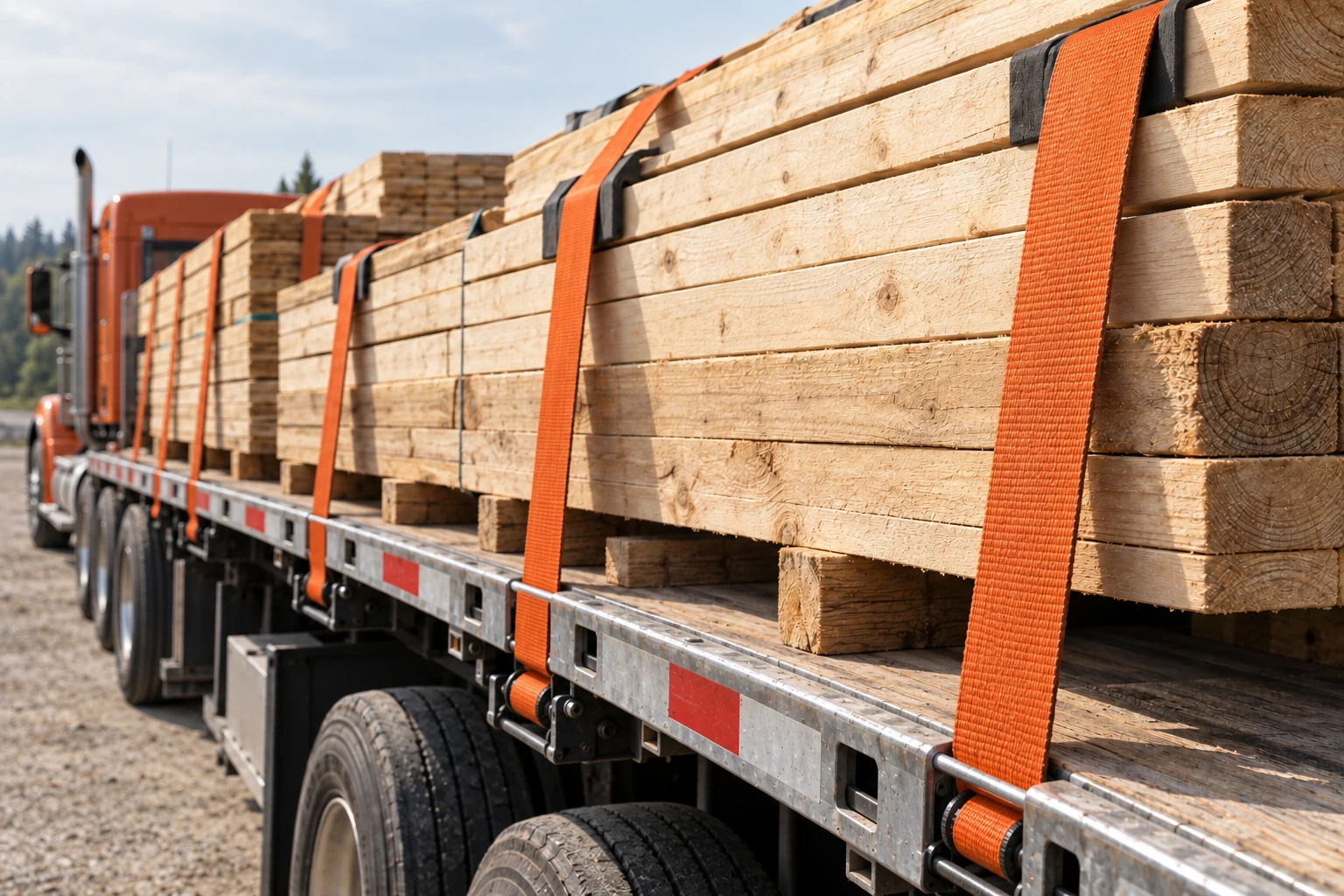
Commodity, dimensions, and weight.
Loading, unloading, and access.
Your route and preferred timing.
01 / START WITH WHAT’S MOVING.
A useful flatbed inquiry goes beyond a commodity name. Describe how your freight is packaged and what the people at each end need to handle it.
Include the number of bundles, their dimensions, and the total load weight. Describe the packaging and any requirements for keeping it intact through loading, transportation, and unloading.
List the pieces or bundles and identify differences in length, shape, or weight. Share any handling instructions, packaging details, and requirements the pickup or delivery team has provided.
Describe the material, how it is packaged, and whether any items need particular care. Include the overall dimensions and weight rather than relying on a pallet count alone.
02 / PREPARE YOUR INQUIRY.
You don’t need to have every answer before getting in touch. Start with what you know, identify what still needs checking, and include units with each measurement.
Share the commodity, piece or bundle count, dimensions, and total weight. If individual items differ significantly, list them separately so the load can be understood as a whole.
Include pickup and delivery locations, site contacts when available, and how the cargo will be loaded and unloaded. Mention appointment windows, access restrictions, or other instructions from the sites.
Tell us about any tarping, packaging, exposure, or securement requirements. Share existing handling instructions and flag questions that need to be resolved before the shipment is arranged.
Give your preferred pickup date, delivery needs, and whether the dates are flexible. For regular work, add shipping frequency and explain what stays consistent or changes between loads.
Start with cargo dimensions, total weight, packaging, and the loading and unloading method. The route, site access, and timing also belong in the discussion. Equipment suitability and availability need to be confirmed for the specific shipment.
Yes. Tell us what protection the cargo requires and share any instructions from the shipper or receiver. If the requirement is still unclear, identify that question so it can be discussed before arrangements are confirmed.
Yes. Include the typical lane, shipping frequency, and expected cargo in your message. Note changes in dimensions, weight, packaging, or site requirements between shipments rather than assuming every load will be identical.
Send the load details you have. We’ll start with your cargo, then discuss the equipment, handling, and timing that need to come together.
Let’s talk freight